







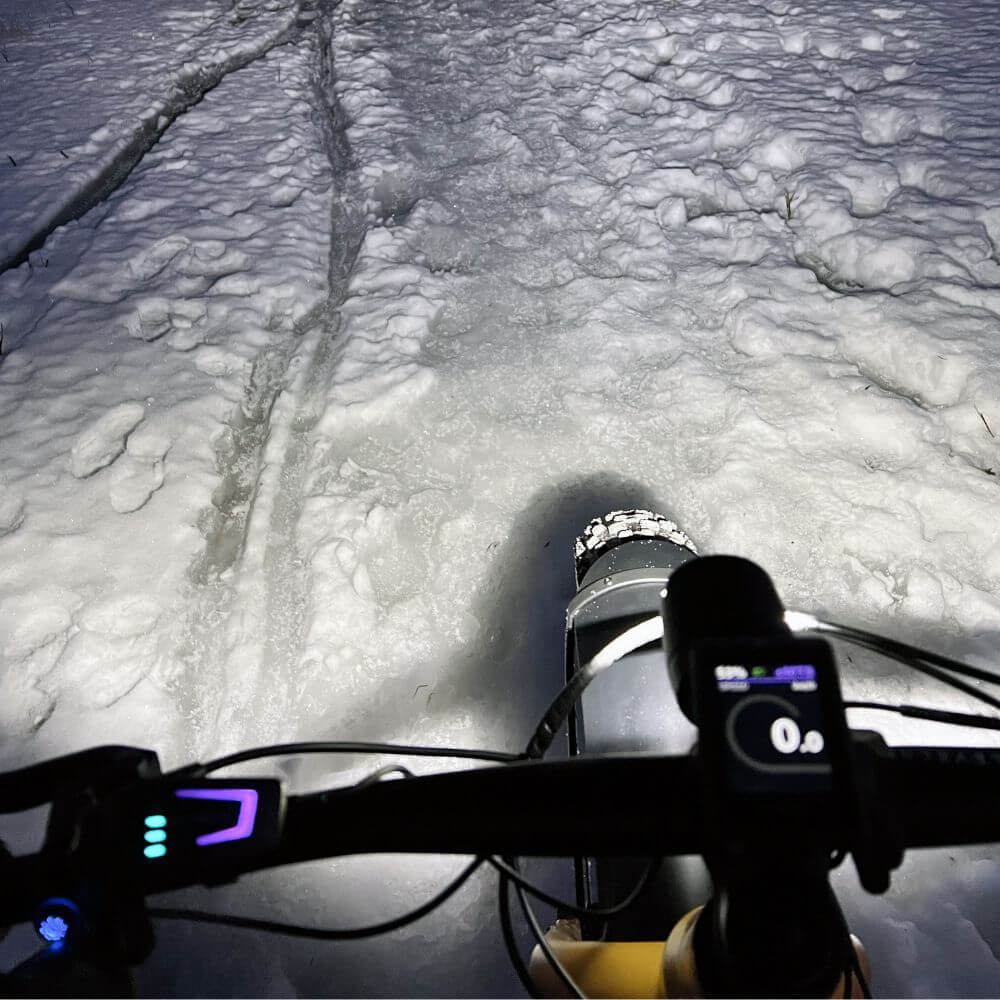
Yes, you can ride an electric bike through a full Ottawa, Gatineau, or Montreal winter. Plenty of local riders already do it every year. The catch is that a stock summer setup will let you down the first time the roads ice over. Standard tires lose grip fast on packed snow and ice, road salt is hard on drivetrain parts if you never rinse or protect them, and a bike that skipped its pre-winter tune-up tends to reveal every worn part at the worst possible moment. None of that rules out winter riding, it just means a few things need to change before the first snowfall: your tires, a bit of maintenance, and how you protect the bike through salt season. Here is what actually works for riders in this region, and which of our own winter-ready tires, bikes, and care products we would reach for first.
In this article
- Is it actually safe to ride an e-bike in snow and ice?
- What tires do you need for winter riding here?
- Which e-bike is actually built for Canadian winters?
- Want less maintenance? Look for a Gates belt drive
- Do a pre-winter tune-up before the first snowfall
- Protect your bike's components from road salt
- 4 habits that make winter e-biking painless
- When spring comes: washing up and swapping back
- FAQ
Is it actually safe to ride an e-bike in snow and ice?
It can be, but only with the right tires. A bike on regular tires is genuinely risky on packed snow or black ice; a bike set up for winter grips the way a car does on winter rubber, because it is the same idea. Riders in Ottawa and Gatineau who stick to plowed main routes and multi-use paths, avoid unplowed sidewalks, and switch to a winter-specific tire before the first freeze report very few issues. The bike is rarely the problem. The tires are.

What tires do you need for winter riding here?
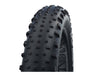
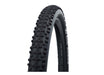
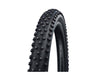
There are two good paths depending on how you ride. If you want maximum float and grip through fresh snow, a fat bike on studded tires is the most capable setup we sell, and our fat bike tire collection is getting new winter stock in for the season. If you are riding a standard-tire commuter, hybrid, or cargo e-bike, a dedicated winter tire is the upgrade that matters most.
| Tire type | Best for | Grip on ice |
|---|---|---|
| Standard summer tire | Dry, plowed pavement only | Poor |
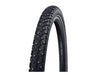
| Kevlar-reinforced winter tire (e.g. Schwalbe Marathon Winter Plus) | Cold, slushy, mostly-clear commuter routes | Good |
| Studded fat bike tire | Packed snow, black ice, daily winter commuting off the plowed path | Excellent |

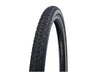
A Kevlar-reinforced tire built specifically for winter riding, available in the sizes that fit most commuter, hybrid, and cargo e-bikes in our shop.
Which e-bike is actually built for Canadian winters?
If you are shopping specifically for winter riding rather than retrofitting a summer bike, a purpose-built electric fat bike removes most of the guesswork. The Moustache Samedi 26 Fat 4 pairs 26 x 4.8 inch tires with a Bosch Performance CX Smart System motor, giving you the float of a fat bike with the torque to push through fresh snow without straining the drivetrain.

A dedicated electric fat bike with a Bosch Performance CX motor and 600Wh+ battery, assembled in France and set up to handle snow, slush, and everything an Ottawa or Gatineau winter throws at it.
Want less maintenance? Look for a Gates belt drive
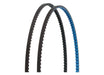
A regular chain needs regular lube, and road salt strips that lube off faster than you'd think, which means more cleaning and a shorter chain life over a full winter. A Gates carbon belt drive skips that problem entirely: no lube, no rust-prone chain, and far less to clean after a slushy ride. If you would rather deal with less maintenance than knobby tires, these are the belt-drive models in our lineup worth a look.

A Bosch Performance CX Smart System trekking e-bike built for year-round comfort, with the low-maintenance drivetrain that makes salty winter commutes a lot less hassle.
Also worth a look: the Gazelle Ultimate C380, the Tern HSD P5i, the Tern GSD P00, and the Tern Orox series, all set up with the same low-maintenance philosophy for family hauling, cargo, and daily commuting through the winter months.
Do a pre-winter tune-up before the first snowfall
Most winter breakdowns are problems that already existed in October and just got worse in the cold. A pre-winter tune-up catches worn brake pads before they fail on an icy hill, checks tire pressure and tread before the first freeze, inspects your battery contacts, and confirms your lights are working before the days get short. Book this before the first real snow rather than after, our service bays fill up fast once winter actually hits.
Protect your bike's components from road salt
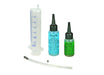
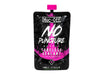
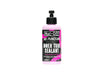
Road salt is the single biggest cause of winter corrosion on an e-bike, and the fix is a proper protectant coating, not just a rinse. This is the one product we consider genuinely non-negotiable for anyone riding through an Ottawa, Gatineau, or Montreal winter.

Coat your bike's main components, including electrical connectors and pins, with a light layer before winter sets in. Avoid the pedals, brake rotors, saddle, grips, and brake levers, and reapply a coat partway through the season if you're riding through a lot of slush and salt.

4 habits that make winter e-biking painless
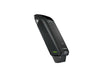
- Bring the battery inside. Cold storage is the biggest drain on both range and long-term battery health, and it noticeably shortens your ride range in freezing temperatures. Charge it at room temperature, not in an unheated garage. If you ride daily through winter, a Bosch PowerMore 250 range extender offsets the range you lose to the cold.
- Check your brakes monthly. Wet, gritty conditions wear pads faster than dry summer riding.
- Add lights and reflective gear. Winter days are short. Front and rear lights are not optional once daylight drops before 5pm.
- Drop your tire pressure slightly. A little less pressure widens the contact patch and improves grip on snow and ice, similar to winter driving.
If you are just getting started, our guide on Ontario's bicycle helmet laws is worth a read too, since winter conditions are exactly when that extra protection matters most. Riding over from the Quebec side? Our Gatineau e-bike page covers local models and service. New to e-bikes entirely? Our beginner's guide to a first e-bike after 50 covers frame, assist level, and Ottawa-Gatineau rules together.
When spring comes: washing up and swapping back
Once the salt trucks stop running, give your bike a thorough wash to clear out months of accumulated salt and grit before it causes any lasting corrosion, this is especially important around the drivetrain and brake components. If you swapped to a winter or studded tire for the season, this is also the time to swap back to a proper three-season tire like the Schwalbe Marathon E-Plus, which is puncture-resistant and certified for e-bike use once the ice is gone.
Frequently asked questions
Is it illegal to ride an e-bike without studded tires in Ontario or Quebec?
No, studded or winter tires are not legally required in either province. They are a safety recommendation, not a regulation, but riders who skip them in icy conditions take on significantly more risk of a fall.
How cold is too cold for e-bike riding?
There is no hard cutoff, but most riders find anything below about -20°C uncomfortable regardless of the bike, more because of wind chill and road conditions than the equipment itself.
Do belt-drive e-bikes really need less winter maintenance?
Yes. A Gates carbon belt does not need lubrication and does not rust the way an exposed chain can after repeated exposure to road salt, so a belt-drive bike typically needs less cleaning and upkeep over a full winter season.
What does a pre-winter tune-up actually check?
A proper pre-winter tune-up covers brake pad wear, tire pressure and tread condition, battery contacts, and lights, the exact things that tend to fail when conditions turn icy.
Where can I see winter e-bikes, tires, and care products in person in Ottawa?
Our Ottawa showroom stocks fat tire e-bikes, belt-drive models, winter tires, and Muc-Off protectant year-round, and we're happy to set up a test ride or book your pre-winter tune-up before you commit.
Ready to ride through winter, not around it?
Book a pre-winter tune-up and see our fat tire and belt-drive e-bikes, winter tires, and Muc-Off HCB-1 at our Ottawa showroom.
Shop winter-ready e-bikes →Serving Ottawa, Gatineau, and Montreal riders year-round.

About the Author
William Leishman
Founder & President, Scooteretti
William Leishman is the Founder and President of Scooteretti, one of Canada's leading electric bicycle retailers and a recognized authority in the eBike industry since 2010. As a member of the National Bicycle Dealers Association (NBDA) Advisory Board for eBike Safety, William plays a central role in shaping best practices and safety standards across North America, and is regularly featured on television, radio, print, and digital media as a trusted voice for consumers and industry professionals alike.
William's core mission is to educate Canadian consumers on choosing the right electric bicycle, one that truly fits their lifestyle, budget, and safety needs. As Canada's eBike market has exploded with new options, too many riders are purchasing the wrong bike, spending thousands across multiple purchases before finding a good fit. Scooteretti's "buy it once, buy it right" philosophy was built to solve exactly this problem, and it has helped thousands of satisfied customers make confident, informed decisions since 2010.
Beyond finding the perfect ride, William is on a personal mission to make eBike safety a national priority. He is a passionate advocate for making UL certification mandatory for every electric bicycle sold in Canada, a standard he believes every Canadian deserves, yet one that current legislation does not require. William is actively working to raise awareness among consumers and at all levels of government, because he firmly believes that no Canadian should have to risk their safety on an uncertified eBike. This isn't just a business position, it's a personal commitment he is dedicated to seeing become law.