










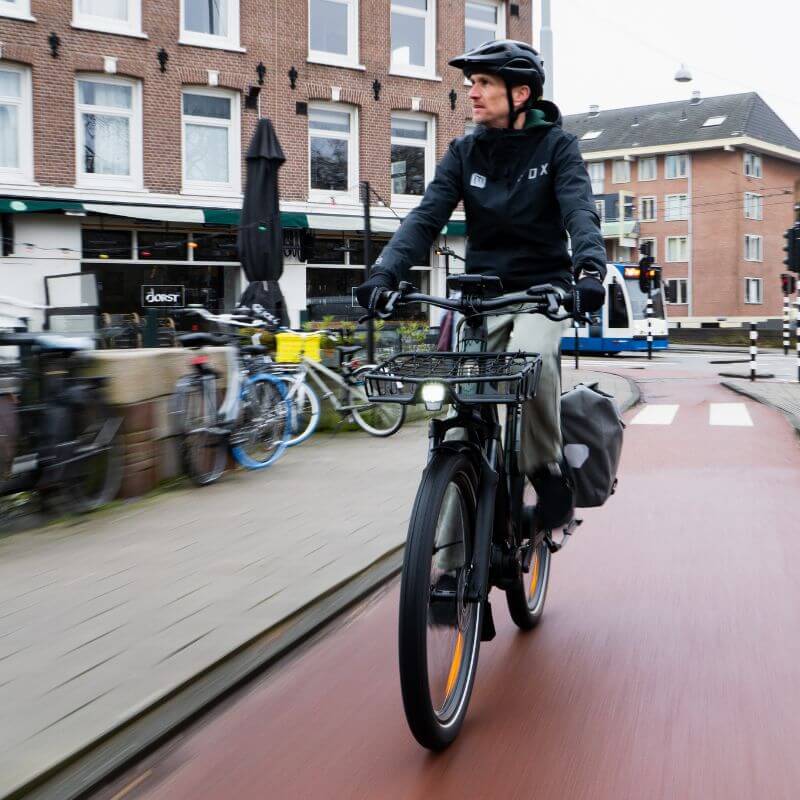
If you are shopping for an eBike in Ottawa or already riding one across the capital region, understanding electric bike laws in Ottawa, Ontario is not optional. Every electric bike we sell in Ottawa is fully street-legal, UL-certified, pedal-assist only, and compliant with Ontario's 500W/32km/h rules. These rules determine what you can legally ride, where you can ride it, and whether your electric bicycle qualifies as a power-assisted bicycle — or falls into a grey area that could cost you access to pathways, insurance coverage, or even the road itself.
That matters whether you are a daily commuter crossing the city, a family hauling kids on a cargo bike, a senior returning to cycling with pedal assist, or simply someone trying to avoid an expensive mistake on a machine that turns out to be non-compliant.
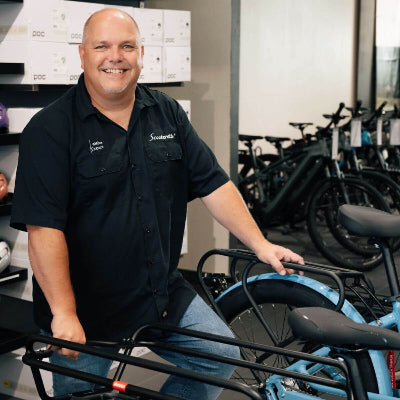
“The regulatory landscape for eBikes in North America is shifting fast, and riders in Ottawa need to understand not just today’s rules, but where things are heading,” says William Leishman, owner of Scooteretti and a member of the NBDA’s (National Bicycle Dealers Association) E-Bike Safety & Standards Panel for North America — a quarterly forum uniting retailers, engineers, law enforcement, and policymakers. “As an industry, we have a responsibility to help riders make informed decisions before they buy, not after they run into problems on the pathway or at a traffic stop.”
How Electric Bike Laws Work in Ottawa: Provincial Rules First

In Ottawa, eBike regulations flow from two levels of government. The federal government defines what a power-assisted bicycle (PAB) is under Canada’s Motor Vehicle Safety Regulations (MVSR). The province of Ontario then sets operational rules under the Highway Traffic Act and Ontario Regulation 369/09.
Under the federal definition, a power-assisted bicycle must be a two- or three-wheeled bicycle with operable pedals, an electric motor rated at 500 watts or less, and a maximum motor-assisted speed of 32 km/h on level ground. The manufacturer must permanently affix a compliance label confirming the vehicle meets these standards. Internal combustion engines are specifically excluded.
Ontario’s provincial regulation adds further requirements: a maximum weight of 120 kg including the battery, two independent braking systems capable of bringing the bike to a full stop from maximum speed, and fully functional pedals at all times. If pedals have been removed or disabled, the machine no longer qualifies as a power-assisted bicycle under the Highway Traffic Act — regardless of what the seller told you.
For most riders, the practical takeaway is this: a legal eBike in Ontario is treated as a bicycle in most day-to-day situations, but only if it stays within these rules. If a machine is oversized, improperly configured, or built more like a scooter or motorcycle, it is not street-legal as a bicycle and may not be ridden on cycling infrastructure at all.
What Makes an eBike Legal in Ottawa and Ontario?
Here is a clear breakdown of the legal requirements for riding an electric bike in Ottawa:
| Requirement | Details |
|---|---|
| Minimum rider age | 16 years old |
| Helmet | Approved bicycle or motorcycle helmet required for all riders, all ages |
| Maximum motor power | 500 watts |
| Maximum assisted speed | 32 km/h on level ground (motor cuts off at this speed) |
| Maximum weight | 120 kg including battery |
| Pedals | Must have operable pedals at all times |
| Brakes | Two independent braking systems, one for each wheel |
| Licence or insurance | Not required (but insurance is recommended) |
| Manufacturer label | Federal PAB compliance label must be permanently affixed by manufacturer |
This is where quality matters. Premium eBikes from established manufacturers like Riese & Müller, Gazelle, Cube, and Moustache are engineered around these legal requirements from the ground up. Every component — from the Bosch drive system to the integrated lighting — is designed to meet or exceed federal and provincial standards. That is fundamentally different from budget machines sold online with vague specifications, questionable battery systems, or software settings that push the bike beyond legal limits.
If you are still deciding what type of bike makes sense for your riding, our guide on how to choose electric bikes in Ottawa can help narrow it down.
Helmet, Age, and Passenger Rules
Ontario requires every eBike rider to wear an approved helmet, regardless of age. This catches some experienced cyclists off guard, especially adults accustomed to riding a regular bicycle without one. For power-assisted bicycles, the helmet rule is clear and non-negotiable.
Riders must be 16 or older to operate an electric bike. There is no licence or registration requirement and no written test. However, riders must follow the same rules of the road that apply to conventional cyclists, including signalling turns and obeying traffic signals.
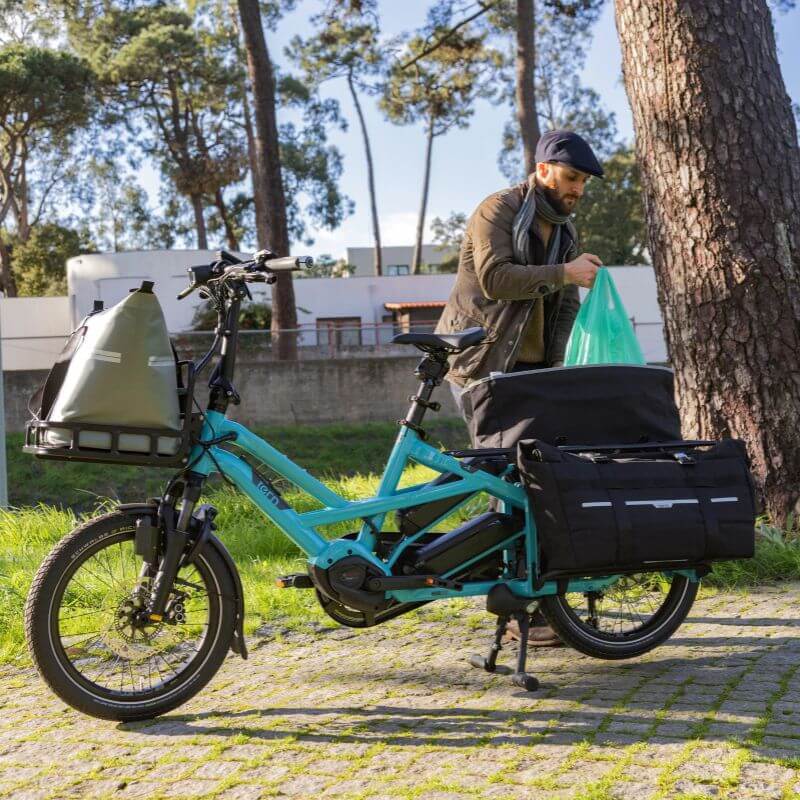
If you are carrying a child or passenger, the bike must be specifically designed for it. This is especially relevant with cargo eBikes and longtail family bikes from brands like Urban Arrow and Tern. Adding a passenger to a bike not built with approved seating, footrests, and rated load capacity creates stability problems and liability exposure. Our guide to the best electric cargo bikes covers what to look for in a family or utility model.
Where Can You Ride an eBike in Ottawa?
This is where Ottawa riders most often get confused, because access depends on which authority manages the route you are on.
City of Ottawa roads and bike lanes
Legal power-assisted bicycles can use city roads and designated cycling infrastructure in the same way as conventional bicycles, including on-road bike lanes, signed cycling routes, and most municipal multi-use pathways. eBikes are not permitted on 400-series highways or major provincial highways like the QEW.
NCC Capital Pathways
The National Capital Commission permits pedal-assist eBikes that resemble conventional bicycles and meet the federal PAB definition on its 200+ km Capital Pathway network. This includes popular routes along the Rideau Canal, the Ottawa River, and through the Greenbelt. Electric cargo bikes with operable pedals used for personal purposes are also permitted.
However, the NCC sets a maximum speed of 20 km/h on all Capital Pathways — well below the 32 km/h motor cutoff. Scooter-style eBikes and electric scooters are not permitted. Riders should always check posted signage, as restrictions can vary by specific pathway section.
Gatineau Park
Gatineau Park has more restrictive rules. All power-assisted bicycles are prohibited on natural surface trails within the park. The paved Capital Pathway (Trail 5) through the park may have seasonal restrictions. If you regularly ride across the Ottawa River into Gatineau, note that Quebec has its own eBike regulations — including a minimum age of 14 (with a Class 6D licence for riders under 18) and strict restrictions on throttle-only operation that effectively prohibit throttle-dependent eBikes on Quebec roads. If this is your first e-bike and you are weighing Ottawa against Gatineau, our beginner's guide to a first e-bike after 50 in Ottawa and Gatineau walks through both provinces' rules side by side.
The Throttle Question: What Ottawa Riders Need to Know
Throttle use is one of the most debated topics in eBike regulation across North America, and Ottawa riders need to pay close attention to where this is heading.
Currently, Ontario permits throttles on legal power-assisted bicycles, provided the bike still meets all other PAB requirements: operable pedals, 500W motor limit, and 32 km/h assisted speed cap. The presence of a throttle does not exempt a rider from pathway restrictions, helmet requirements, or speed limits.
However, the reality on Ottawa’s roads and pathways tells a different story. Many throttle-equipped eBikes sold online and through local retailers exceed the federal definition of a power-assisted bicycle. Bikes marketed with 750W or 1000W motors or have top speeds that can exceed 32 km/h or more, and throttles that operate independently of pedalling are not legal PABs in Canada — regardless of what the listing says. These machines regularly exceed posted speed limits and create serious safety concerns on shared pathways.
“The NBDA’s E-Bike Safety & Standards Panel has been actively addressing the out-of-class vehicle problem. These are machines being sold as eBikes that are functionally electric motorcycles. They don’t meet federal PAB standards, they compromise rider safety, and they threaten pathway access for every legitimate eBike rider in Ottawa.”
William Leishman — Owner, Scooteretti | Member, NBDA E-Bike Safety & Standards Panel
Quebec has already taken a firm position, with strict restrictions on throttle-dependent eBikes on Quebec roads. Ontario’s Ministry of Transportation initiated a consultation in November 2024 on redefining eBike classifications under the Highway Traffic Act, with public feedback supporting a potential three-subclass system. While no final regulation has been published, the direction of travel suggests that stricter classification and possible throttle restrictions are on the horizon for Ontario as well.
For buyers, this creates a practical question: if you purchase a throttle-dependent eBike today, will it still be fully legal and pathway-accessible in two or three years? Pedal-assist systems from premium manufacturers offer a more future-proof choice for Ottawa-Gatineau riders.
UL 2849 Certification: Why It Matters for Every Ottawa eBike Buyer

If there is one technical standard every eBike buyer in Ottawa should understand, it is UL 2849.
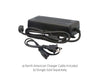
UL 2849 is the safety certification standard for eBike electrical systems, developed by UL Solutions and recognized as both an American National Standard (ANSI) and a National Standard of Canada. It evaluates the entire electrical system as an integrated unit: the battery pack, charger, motor, controller, wiring, and battery management system (BMS). Testing covers electrical safety, fire hazard prevention, overcharging protection, short circuit resistance, mechanical abuse tolerance, and thermal runaway prevention.
Why does this matter? Because battery fires from uncertified eBikes are a growing safety crisis. Toronto’s fire chief has called lithium-ion battery fires “the largest growing fire safety risk in the city,” with battery-related fires increasing 162% in recent years. The root cause is overwhelmingly linked to uncertified batteries, third-party chargers, and modified electrical systems — exactly the kind of components found in budget eBikes sold without proper safety testing.
Mandatory UL 2849 certification is already the law in New York City, and California requires compliance with UL 2849 or the equivalent EN 15194 standard. Toronto passed battery compliance requirements in 2024. The TTC banned eBikes and eScooters from transit following a battery fire on the subway. The NBDA’s voluntary safety pledge promotes adherence to UL 2849 for eBikes and UL 2271/2272 for lithium-ion batteries.
At Scooteretti, we believe UL 2849 certification will become mandatory across Canada in the near future, and we strongly recommend that Ottawa ebike riders purchase only UL-certified eBikes today. Every premium brand we carry, including Riese & Müller, Gazelle, Moustache, Cube, Tern, and Urban Arrow uses safety-certified electrical systems with Bosch, Shimano, or equivalent drive platforms that meet or exceed these standards. This is not a marketing claim. It is a fundamental safety decision that protects you, your family, and your investment.
What Is Not Allowed Under Ottawa and Ontario eBike Laws
To be clear about what crosses the line:
- Motor assistance above 32 km/h: If the motor provides power beyond this speed on level ground, the machine does not meet the federal PAB definition.
- No functional pedals: Removing or disabling pedals immediately disqualifies the vehicle as a power-assisted bicycle.
- Motor power exceeding 500W: Bikes sold with 750W or 1000W motors are not legal PABs in Canada, full stop.
- Weight over 120 kg: The bike plus battery must stay under this limit.
- No manufacturer compliance label: A legitimate PAB will have a permanently affixed federal compliance label. If your bike does not have one, it may not be street-legal.
- Riding on 400-series highways: eBikes are prohibited on Ontario’s major provincial highways.
- Modified electrical systems: Aftermarket battery swaps, motor upgrades, and speed limiter removal can void your PAB classification and your warranty.
Unsafe battery modifications, homemade charging setups, and unauthorized motor changes go beyond legal concerns. They compromise braking performance, frame integrity, and fire safety. For long-term ownership, choosing a properly certified system from the start is the only responsible path.
Why These Laws Matter When Buying an eBike in Ottawa
A rider who commutes across Ottawa every day, carries children to school on a cargo bike, or plans longer recreational rides along the NCC pathways needs a bike that is legal, reliable, and serviceable for years to come. The law is not an abstract technicality — it directly affects your insurance options, pathway access, personal safety, and whether your eBike will remain compliant as regulations evolve.
Here is what a well-informed purchase decision looks like in 2026:
- Choose an eBike that meets the federal PAB definition with a permanently affixed compliance label.
- Prioritize UL 2849 certified electrical systems to protect against battery safety risks.
- Select pedal-assist over throttle-dependent models for maximum legal certainty and pathway access across both Ontario and Quebec.
- Buy from an authorized dealer who can provide manufacturer warranty service, Bosch-certified diagnostics, and ongoing technical support.
- Consider the regulatory direction: Ontario is actively consulting on eBike reclassification, and safety certification requirements are tightening across North America.
If you are considering a cargo model for family or business use, our guide to electric cargo bike basics and benefits covers what to evaluate beyond the headline specifications.
Scooteretti: Ottawa’s eBike Law and Safety Experts

At Scooteretti, we work with riders every day who want clear, honest answers before they buy — not after they discover their bike does not fit Ontario’s rules or is blocked from NCC pathways.
Our owner, William Leishman, serves on the NBDA’s E-Bike Safety & Standards Panel, a quarterly forum that brings together retailers, manufacturers, engineers, law enforcement, and policymakers to address the most pressing safety and regulatory challenges facing the eBike industry in North America. That expertise shapes how we advise every customer who walks through our door at Ottawa Train Yards.
Scooteretti only sells quality, safety-certified ebike brands: Riese & Müller, Gazelle, Moustache, Cube, Tern, Urban Arrow. Every bike we sell meets or exceeds federal PAB requirements and uses certified drive systems. Our Bosch and Shimano certified service team provides ongoing maintenance, diagnostics, and warranty support that keeps your eBike compliant and safe for years.
The safest path is choosing a properly certified eBike from a reputable brand, then matching it to how and where you actually ride in Ottawa. That avoids expensive mistakes and makes every ride simpler.
Ready to find the right eBike for Ottawa? Book a free consultation with our experts — in store, by phone, or by video. We’ll help you find a legal, certified eBike matched to how and where you ride.
Book a Free Consultation Or call us at 613-244-0000 • Ottawa Train Yards
Frequently Asked Questions
Are electric bikes legal in Ottawa?
Yes. Electric bikes that meet Canada’s federal definition of a power-assisted bicycle (PAB) are legal to ride on Ottawa roads and most cycling infrastructure. The bike must have operable pedals, an electric motor of 500W or less, and a maximum motor-assisted speed of 32 km/h. Riders must be at least 16 years old and wear an approved helmet.
Do I need a licence or insurance for an eBike in Ontario?
No licence, registration, or insurance is required to ride a legal power-assisted bicycle in Ontario. However, eBike insurance is available from providers like Sundays Insurance and can be added to homeowner or renter policies. Given the value of premium eBikes, coverage for theft and damage is worth considering.
Can I ride my eBike on NCC pathways in Ottawa?
Pedal-assist eBikes that resemble conventional bicycles and meet the federal PAB definition are permitted on NCC Capital Pathways. The maximum speed on all NCC pathways is 20 km/h. Scooter-style eBikes and electric scooters are not permitted. Gatineau Park has additional restrictions — all power-assisted bicycles are prohibited on natural surface trails.
Are throttle eBikes legal in Ontario?
Currently, yes — provided the bike meets all other PAB requirements including operable pedals, 500W motor limit, and 32 km/h speed cap. However, Ontario’s Ministry of Transportation is actively consulting on eBike reclassification, and Quebec already restricts throttle-dependent eBikes. Pedal-assist models offer the most future-proof legal position for Ottawa-Gatineau riders.
What is UL 2849 and why should I care?
UL 2849 is the safety certification standard for eBike electrical systems, covering the battery, charger, motor, controller, and wiring as an integrated unit. It is recognized as a National Standard of Canada. With battery-related fires increasing 162% in Canadian cities, purchasing a UL 2849 certified eBike protects you against fire and safety risks. This certification is already mandatory in New York City and is expected to become required across Canada in the near future.
What happens if my eBike does not meet Ontario’s legal definition?
If your electric bike exceeds 500W, goes faster than 32 km/h on motor power, lacks functional pedals, or weighs more than 120 kg, it does not qualify as a power-assisted bicycle. It may be classified as a motor vehicle, requiring registration, insurance, and a driver’s licence, and would be prohibited from cycling infrastructure and many pathways.

About the Author
William Leishman
Founder & President, Scooteretti
William Leishman is the Founder and President of Scooteretti, one of Canada's leading electric bicycle retailers and a recognized authority in the eBike industry since 2010. As a member of the National Bicycle Dealers Association (NBDA) Advisory Board for eBike Safety, William plays a central role in shaping best practices and safety standards across North America, and is regularly featured on television, radio, print, and digital media as a trusted voice for consumers and industry professionals alike.
William's core mission is to educate Canadian consumers on choosing the right electric bicycle — one that truly fits their lifestyle, budget, and safety needs. As Canada's eBike market has exploded with new options, too many riders are purchasing the wrong bike, spending thousands across multiple purchases before finding a good fit. Scooteretti's "buy it once, buy it right" philosophy was built to solve exactly this problem, and it has helped thousands of satisfied customers make confident, informed decisions since 2010.
Beyond finding the perfect ride, William is on a personal mission to make eBike safety a national priority. He is a passionate advocate for making UL certification mandatory for every electric bicycle sold in Canada — a standard he believes every Canadian deserves, yet one that current legislation does not require. William is actively working to raise awareness among consumers and at all levels of government, because he firmly believes that no Canadian should have to risk their safety on an uncertified eBike. This isn't just a business position — it's a personal commitment he is dedicated to seeing become law.