







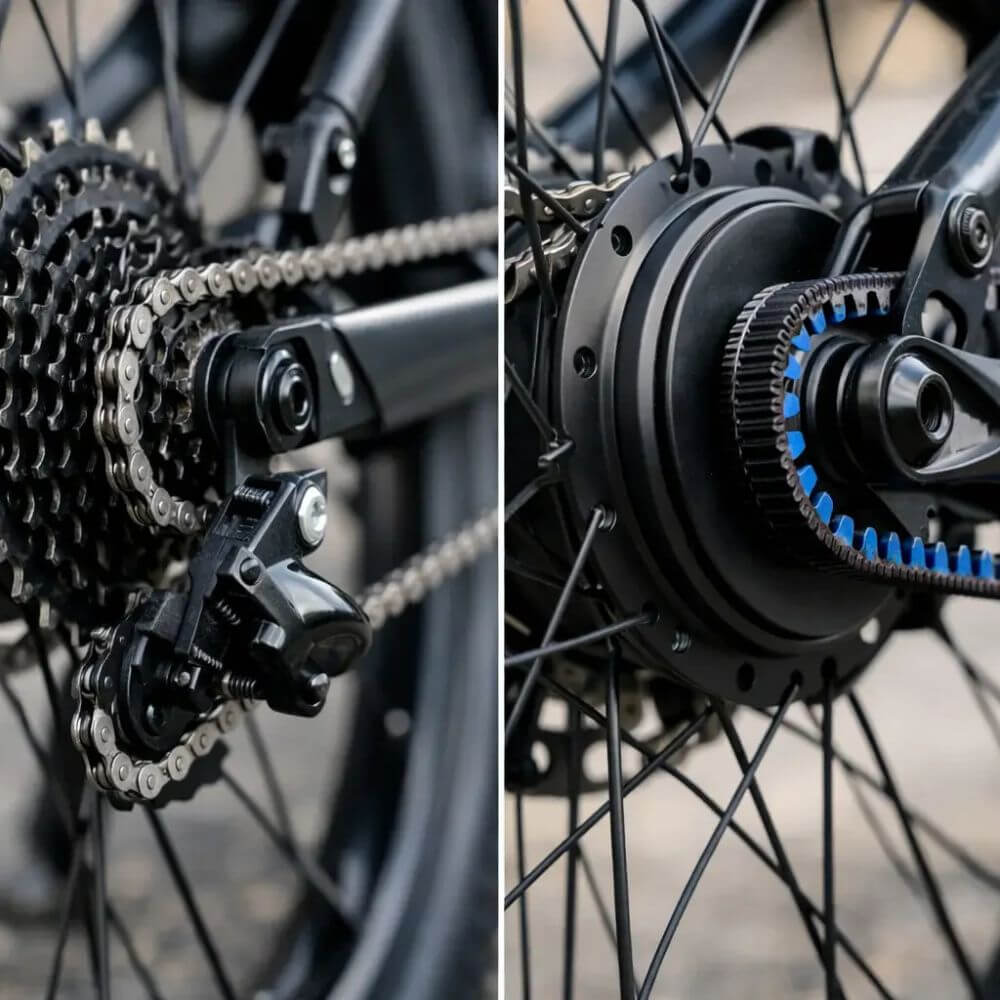
A drivetrain decision can shape your ownership experience more than many riders expect. In the chain drive vs belt discussion, the right answer depends less on which system is “better” and more on where you ride, how you store your bike, how much maintenance you want to perform, and the type of transmission paired with it.
For an eBike used for everyday commuting, school runs, or year-round transportation, both systems can be excellent. Premium manufacturers use chains and belts for different reasons, and each can support reliable, long-term riding when it is matched to the right bike and maintained correctly.
Chain Drive vs Belt: The Core Difference
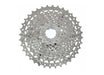
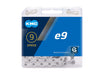
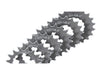
A conventional bicycle chain uses metal links that engage with teeth on the front chainring and rear cassette or sprocket. It is the drivetrain most riders recognize, and it remains the standard on performance road, gravel, mountain, touring, and many commuter eBikes.
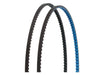
A belt drive uses a reinforced carbon-fiber belt with molded teeth. Rather than running on a derailleur and cassette, it typically works with a single rear sprocket and an internally geared hub or an enclosed geared transmission. The belt cannot be opened like a chain, so the bicycle frame must be designed with a removable section, often called a belt split, to install it.
That design requirement is one reason belt drive is usually found on purpose-built premium commuter, urban, and cargo eBikes rather than being an aftermarket conversion.
Why Chains Remain the Most Versatile Choice
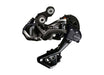
A chain drivetrain is familiar, efficient, widely serviceable, and highly adaptable. Most derailleur-equipped eBikes use a chain because it provides a broad range of gears with relatively low weight. This is particularly valuable on electric mountain bikes, gravel eBikes, and touring models where terrain, load, and riding speed can change quickly.
Modern eBike-specific chains are designed to handle the additional torque of a mid-drive motor. A quality system from Bosch or another established platform manages motor output during shifts, but the rider still has a role. Easing pedal pressure briefly while shifting reduces wear and helps the chain move cleanly across the cassette.
For riders who tackle Gatineau Park climbs, mixed-surface routes, or long touring days, a derailleur chain setup often makes practical sense. It offers closely spaced gear ratios and a wide gear range for climbing, descending, and carrying panniers. If a chain or derailleur is damaged while traveling, replacement parts and qualified mechanics are generally easier to find.
The trade-off is maintenance. Chains need regular cleaning and lubrication, especially after wet rides or exposure to road salt. They also wear over time. A worn chain can accelerate wear on the cassette and chainring, turning a simple replacement into a more expensive drivetrain service if it is ignored for too long.
A chain does not need constant attention, but it does need consistent attention. For a daily rider, that means checking lubrication, wiping away grime, and having chain wear measured during scheduled service visits.
Chain drive is often best for
Chain drive suits riders who want broad gearing, ride varied terrain, prioritize lighter weight, or expect to service their bike in many locations. It is also the natural choice for most performance-oriented eBikes and many riders who are comfortable with basic drivetrain care.
Where Belt Drives Excel
A belt drive is especially appealing for riders who see their eBike as dependable transportation rather than a weekend-only recreation bike. There is no oil to apply, no metal chain to rust, and no derailleur cage hanging near the rear wheel. The system runs quietly and stays remarkably clean.
For commuters who wear regular clothing, that clean operation matters. A belt is far less likely to leave grease on pants, shoes, or a child’s cargo-bike seat. It also handles rain well, and cleaning usually involves little more than rinsing away dirt with water and using a soft brush when needed.
Belt drives can be a strong option for urban and cargo eBikes that pair a belt with an internally geared hub. Because the gearing mechanism is enclosed, it is better protected from road grime and accidental knocks than an external derailleur. Many internally geared systems also allow a rider to shift while stopped, which is useful when a fully loaded cargo bike comes to a halt at an intersection.
That does not mean a belt drive is maintenance-free. Belt tension must be correct, sprockets need inspection, and internally geared hubs or transmissions have their own service intervals. A belt can also be damaged by debris or a hard impact. Unlike a chain, it cannot be repaired roadside with a quick link, so replacement requires the correct belt length and a compatible frame.
For everyday city riders, however, the lower routine maintenance and clean operation can be worth the higher initial cost.
Gearing Matters as Much as the Belt or Chain
It is easy to compare only the visible part of the drivetrain, but the transmission behind it matters just as much. A belt drive is commonly paired with an internal gear hub, a continuously variable transmission, or an integrated gearbox. A chain is commonly paired with a derailleur, though chains can also work with internal gear hubs and gearboxes.
Derailleur systems deliver excellent range and shifting performance under the right conditions, but they are exposed to the elements. Internal systems are more protected and often simpler to live with in stop-and-go riding, although they may add weight and can feel different under load.
A rider crossing a city every day on mostly paved routes may value the ability to shift at a stop and avoid weekly drivetrain cleaning. A rider climbing steep hills, riding forest trails, or covering long distances with changing grades may prefer the flexibility and lighter feel of a derailleur-equipped chain drive.
This is why a test ride should include the kind of riding you actually do. Start from a stop, shift under realistic pedal pressure, ride a hill if possible, and consider how the bike will feel with panniers, a child seat, or cargo.
Winter, Rain, and Canadian Riding Conditions
Wet weather alone is not a reason to avoid a chain. A properly maintained chain drivetrain performs very well in rain and through changing seasons. The issue is contamination. Water, grit, and road salt wash lubricant away and create an abrasive paste that wears moving parts faster.
If you ride a chain-driven eBike through winter conditions, clean and lubricate it more frequently, avoid pressure washing bearings and electrical components, and store the bike in a dry place when possible. After a salty ride, a gentle rinse and careful drying can make a meaningful difference.
Belt drive avoids chain rust and oil buildup, which makes it attractive for all-weather commuting. Still, winter riding places demands on the entire bicycle: brake pads, tires, wheel bearings, lights, cables, and battery care all deserve attention. The drivetrain alone does not make an eBike winter-ready.
For either system, keep the battery within its recommended temperature range, charge it indoors when conditions are cold, and use a bike built with certified electrical components and service support.
Cost, Service, and Long-Term Ownership
At purchase, belt-drive eBikes are often more expensive because of the belt-compatible frame, rear hub or gearbox, and associated components. Over time, the routine maintenance cost may be lower for riders who would otherwise replace chains and cassettes frequently.
Chain drivetrains usually cost less to replace and are easier to repair almost anywhere. Parts availability is a real advantage for touring riders and for people who prefer a familiar system. The long-term cost depends on cleaning habits, mileage, terrain, motor torque, and how smoothly the bike is shifted.
Neither option should be selected solely to avoid service. Premium eBikes benefit from regular professional inspection, including brake wear, software diagnostics where applicable, drivetrain condition, wheel tension, and battery-system checks. A certified service team can also identify a worn chain, incorrect belt tension, or transmission issue before it affects a more expensive component.
Choosing the Right Drivetrain for Your eBike
Choose a chain drive when you need a wide gear range, ride hills or trails regularly, value lower-cost and widely available replacement parts, or want a lighter and more performance-focused setup. It is a proven option for commuters as well, provided you are prepared for routine cleaning and lubrication.
Choose a belt drive when quiet operation, clean clothing, low routine maintenance, and all-weather urban practicality are higher priorities. It is particularly well suited to premium city, commuter, and cargo eBikes used for frequent transportation trips.
Scooteretti’s specialists can help riders compare the drivetrain alongside the motor, gearing system, frame fit, carrying needs, and service expectations. The best choice is the one that supports the trips you will actually make and the maintenance routine you can realistically sustain.
A well-chosen drivetrain should fade into the background of your ride. Whether that means the familiar precision of a maintained chain or the quiet simplicity of a belt, select the system that leaves you confident taking the eBike out again tomorrow.

About the Author
William Leishman
Founder & President, Scooteretti
William Leishman is the Founder and President of Scooteretti, one of Canada's leading electric bicycle retailers and a recognized authority in the eBike industry since 2010. As a member of the National Bicycle Dealers Association (NBDA) Advisory Board for eBike Safety, William plays a central role in shaping best practices and safety standards across North America, and is regularly featured on television, radio, print, and digital media as a trusted voice for consumers and industry professionals alike.
William's core mission is to educate Canadian consumers on choosing the right electric bicycle: one that truly fits their lifestyle, budget, and safety needs. As Canada's eBike market has exploded with new options, too many riders are purchasing the wrong bike, spending thousands across multiple purchases before finding a good fit. Scooteretti's "buy it once, buy it right" philosophy was built to solve exactly this problem, and it has helped thousands of satisfied customers make confident, informed decisions since 2010.
Beyond finding the perfect ride, William is on a personal mission to make eBike safety a national priority. He is a passionate advocate for making UL certification mandatory for every electric bicycle sold in Canada, a standard he believes every Canadian deserves, yet one that current legislation does not require. William is actively working to raise awareness among consumers and at all levels of government, because he firmly believes that no Canadian should have to risk their safety on an uncertified eBike. This isn't just a business position. It's a personal commitment he is dedicated to seeing become law.