














Picture the average second-car day: a school drop-off, a grocery stop, one trip to work, and a short evening errand. Most of those miles happen with a single occupant in a full-size vehicle, often moving through traffic just to sit in a parking lot. That is why the idea of a cargo eBike replacing a second car has moved from a niche experiment to a serious transportation decision for families, commuters, and small business owners across Canada.
The key question is not whether a cargo eBike can do everything a car does. It cannot. The better question is whether it can handle enough of your regular trips to make that second vehicle unnecessary. For a growing number of households in Ottawa, Toronto, Vancouver, Calgary, and Montreal, the answer is yes — if the bike is chosen carefully, the use case is realistic, and long-term service support is part of the plan.
When does a cargo eBike make sense as a second-car replacement in Canada?

A cargo eBike works best when your second car is already doing predictable, short-distance duty. School runs, daycare pickups, grocery trips, commuting across town, sports practice, and local appointments are all well within the range of a premium cargo model. If most of those trips fall inside a 5 to 15 km radius, the case gets much stronger very quickly.
This is especially true in urban and close-in suburban areas where driving is not actually fast once you count parking, congestion, and repeated short trips. In cities like Ottawa and Gatineau, many households find that local errands by bike are more direct than they expected, particularly where cycling infrastructure connects neighbourhoods, schools, and commercial areas. The same is true in Vancouver, where the separated cycle network makes year-round riding genuinely practical, and in Toronto, where monthly parking costs alone can rival a car payment.
Terrain matters, but modern premium cargo eBikes with proven mid-drive systems handle hills far better than many first-time buyers assume. Weight matters too. Carrying one child is very different from carrying two children, winter gear, and a week of groceries. That is why matching the bike format to your real cargo load is more important than comparing headline specifications.
What can a cargo eBike do well — and where does it fall short?
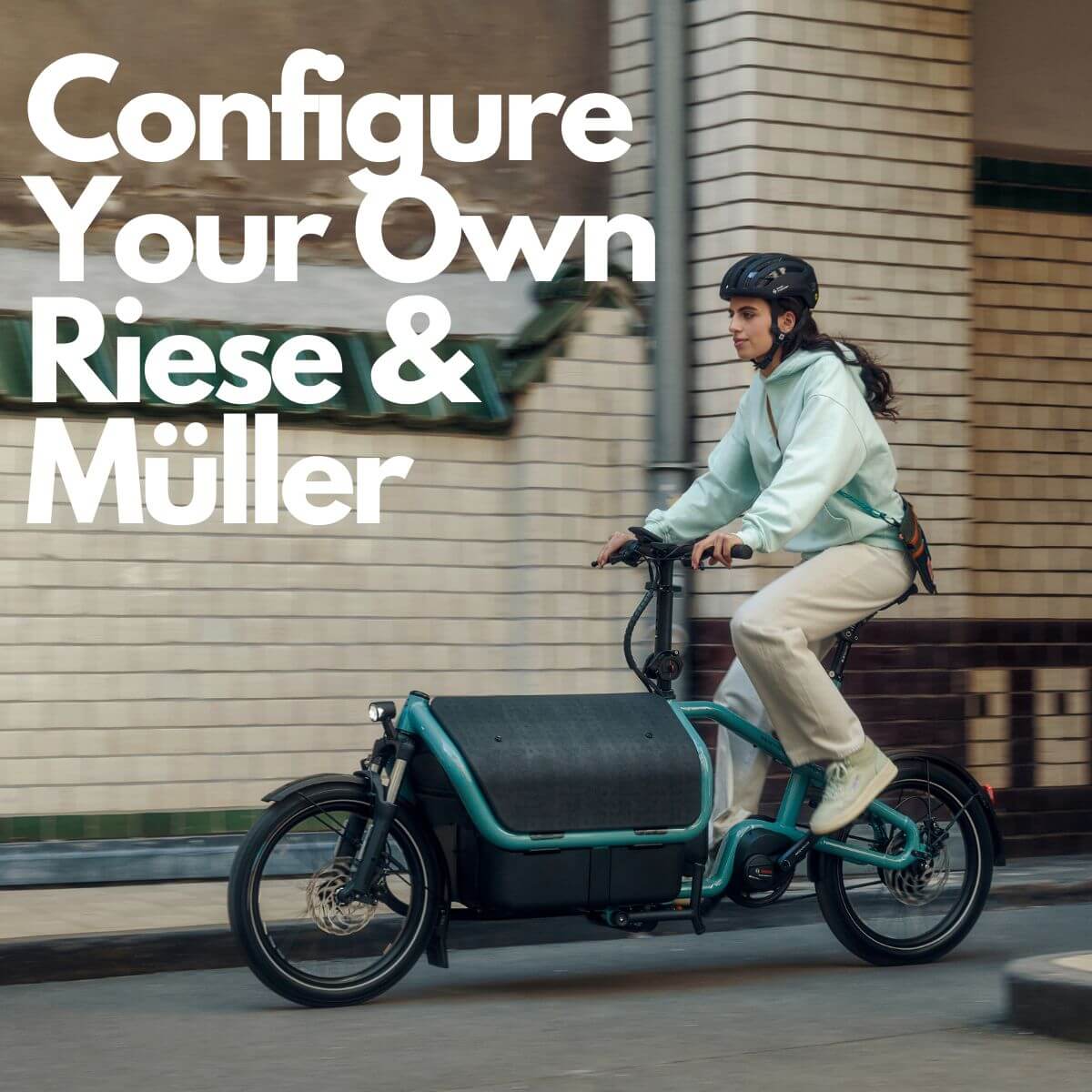
A well-designed cargo eBike is excellent at repeated local trips. It starts quickly, parks easily, and removes many of the friction points that make short car trips inefficient. With integrated racks, child seating options, weather accessories, and stable handling, it becomes a practical daily vehicle rather than a recreational bike with extra storage.
Longtail models like the Tern GSD P10 are often the right fit for families who want a bike that feels compact while still carrying children or cargo on the rear. They handle similarly to a conventional bicycle and store in roughly the same footprint. Front-load cargo bikes like the Urban Arrow FamilyNext Pro, powered by the Bosch Cargo Line motor, offer greater carrying capacity and direct visibility of younger passengers. Families who make the switch almost universally find them intuitive within a week of regular use.
Where a cargo eBike is less ideal is just as important to understand. If your second car regularly handles long highway trips, frequent intercity travel, or four-person transport in severe weather, a bike will not cover all of that. If your daily routine involves multiple adult passengers, large trade tools, or destinations connected only by unsafe roads, the trade-off changes significantly. A cargo eBike does not need to replace every car trip to be worthwhile. If it eliminates 70 to 90 percent of second-car use, the financial and lifestyle impact can still be substantial.
How much money does replacing a second car with a cargo eBike actually save?
According to CAA's 2025 driving cost data, the average Canadian spends approximately $1,373 per month — around $16,476 per year — to own and operate a vehicle. That figure includes car payments, insurance, fuel, maintenance, and registration. In Ontario, insurance alone averages nearly $2,000 per year. Annual fuel costs add roughly another $2,000. Maintenance and tires contribute $1,400 to $1,500 more, and that is before depreciation, which consumes an estimated 38 percent of total vehicle ownership cost.
A cargo eBike has real ongoing costs too — brakes, tires, drivetrain service, and battery health checks over time. But the annual operating cost is dramatically lower, particularly for a household using the bike as a transportation tool rather than an occasional accessory. Most riders spend $200 to $500 per year maintaining a properly serviced premium model. For families in Canadian cities with higher insurance and parking costs, the annual savings from eliminating one vehicle regularly exceed $10,000 to $14,000.
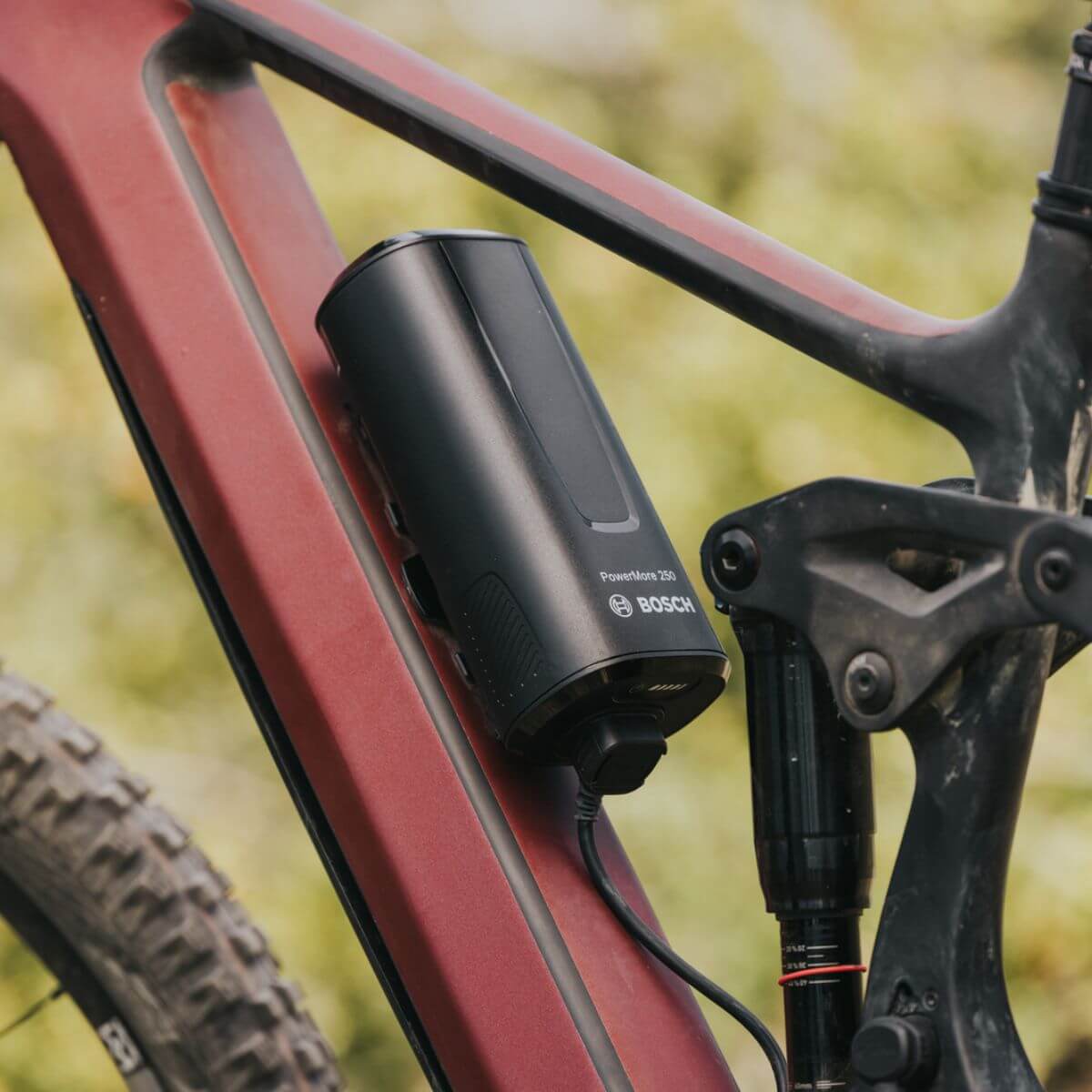
The real savings often appear when the cargo eBike prevents the purchase of another car altogether, or allows a household to sell one. Battery quality and drive system reliability are a major part of that long-term equation. A safety-certified battery, a well-supported motor platform such as Bosch, and access to trained service technicians are not small details. They determine uptime, long-term ownership cost, and day-to-day confidence in the bike as your primary transportation.
How do you choose the right cargo eBike for daily life in Canada?

If your goal is replacing a second car, the buying process should start with your routine, not with a brand name. Think carefully about who or what you carry most often, where the bike will be stored, and whether another rider in your household will use it regularly.
A family with two small children may prioritize a longtail with passenger rails, footrests, and a weather cover — or a front-loader with secure seating and a canopy. Front-loaders allow parents to maintain eye contact with young children during the ride, which many find reassuring. Longtails offer a more familiar ride feel and easier storage in tighter spaces. A commuter who also handles grocery runs may want a cargo-capable compact model that fits in a condo storage room. A business owner making neighbourhood deliveries may care most about load volume, parking convenience, and repeated stop-start efficiency.
Fit and handling are critical across all of these use cases. A cargo bike carrying precious cargo must feel stable at low speed, predictable under braking, and manageable when fully loaded. That is one reason test rides and specialist consultations matter so much. On paper, several bikes may appear similar. In real use, differences in frame design, wheel size, accessory integration, and motor tuning become immediately apparent. If you are in the Ottawa or Gatineau area, our full cargo eBike lineup is available for test rides at our Trainyards location — and we recommend bringing your actual cargo situation to the ride.
Can you ride a cargo eBike year-round in Canadian winter?
Replacing a second car with a cargo eBike in Canada is realistic for most of the year, and genuinely year-round for many riders depending on their city and route. The difference usually comes down to route maintenance, storage setup, clothing choices, and honest expectations about the handful of truly difficult days.
Rain and cold are manageable with the right setup. Families commonly add weather covers for child seats, panniers to protect cargo, quality lights for early winter darkness, and studded tires when conditions call for it. Riders who commit to year-round transportation also need to think about fenders, glove choice, and regular cleaning to protect drivetrain components and brake systems from road salt — particularly important in Ottawa, Calgary, and Toronto where winter road treatment is heavy.
Many Scooteretti customers ride 10 to 11 months of the year with the right setup and keep one car available for the handful of severe-weather days. That still reduces second-car dependence dramatically. Vancouver riders often find year-round riding the easiest to commit to given the mild climate. Montreal and Calgary each have committed winter cycling communities, and Ottawa's multi-use pathways are maintained through much of the season. Snow and ice can limit any vehicle, including cars — the practical question is whether your specific route network is maintained well enough to support safe riding.
Is a cargo eBike safe enough for daily family transportation?
A cargo eBike replacing a second car only works if the bike is fully dependable and the rider trusts it completely. Safety starts with the bike itself. Premium cargo eBikes are designed around higher system weights, reinforced frames, hydraulic disc brakes, and integrated components engineered for daily transportation rather than occasional recreational use.
Certified battery systems and professional service support are not optional when the bike is your family's primary transportation. A cargo bike used every day requires regular inspections, proper brake maintenance, firmware updates where applicable, and access to replacement parts that are actually available. Choosing a retailer with trained technicians and a Bosch-certified service facility is a direct safety decision, not just a convenience. That is one reason many Ottawa and Gatineau families choose to work with a specialist rather than buying a cargo bike through a general retailer.
Rider behaviour matters too. Carrying children or heavy loads changes braking distances and cornering. New owners benefit from practising starts, stops, tight turns, and low-speed manoeuvring before loading passengers for the first time. That short learning period pays off quickly — most riders feel fully comfortable within their first week of regular use.
What are the unexpected benefits of switching to a cargo eBike?
One reason families stay with cargo eBikes long-term is not just the lower cost. It is that the bike can make ordinary daily life genuinely less complicated. You stop hunting for parking. School drop-off becomes calmer and more direct. Quick errands feel easier because there is less setup, less waiting, and no fuel cost attached to a short trip.
That convenience compounds over time. When the bike is easy to use, it gets used more. When it gets used more, the household relies less on the car. That reinforcing pattern is what makes the second-car replacement concept succeed in real life rather than just on a spreadsheet. Many families also report that the ride itself becomes transition time — a few minutes of fresh air between home and school that replaces a stressful traffic segment. These are rarely the reasons people buy a cargo eBike, but they are often the reasons people do not want to go back.
Is a cargo eBike the right answer for your household?

A cargo eBike is not the right answer for every household. But if your second car mostly handles short, local, repetitive trips — and most second cars do — a high-quality cargo model can be a smarter fit than many people initially assume. The best outcome is not forcing the bike to do everything a car does. It is choosing a transportation tool that handles daily life well enough that the second set of car keys starts collecting dust.
For riders considering this shift, working with experienced specialists saves a significant amount of trial and error. At Scooteretti, our Ottawa team helps match frame style, cargo layout, battery capacity, and accessory setup to the way you actually travel. We carry longtail and front-load cargo models from Tern and Urban Arrow, with Bosch-certified service on-site and genuine parts in stock. Explore our full cargo eBike lineup or contact us to book a test ride at our Trainyards store — and bring the whole family.
Frequently asked questions about cargo eBikes in Canada
Can a cargo eBike really replace a second car in Canada?
For most households whose second car handles short, local trips under 15 km, yes. Cargo eBikes are used as primary transportation by families across Ottawa, Toronto, Vancouver, Calgary, and Montreal. The key factors are route quality, realistic cargo load, and access to proper service support.
How much money can I save by replacing my second car with a cargo eBike?
Based on CAA 2025 data, the average Canadian spends approximately $16,476 per year to own and operate a vehicle. A premium cargo eBike costs $200 to $500 per year to maintain. For households in cities with high insurance and parking costs, the annual savings from eliminating one vehicle often exceed $10,000 to $14,000.
What is the best cargo eBike for Canadian families?
There is no single best model — it depends on your cargo load, storage space, and riding style. Longtail models like the Tern GSD are popular for their compact footprint and familiar ride feel. Front-loaders like the Urban Arrow FamilyNext Pro offer greater carrying capacity and visibility of young passengers. A test ride with your actual cargo setup is the most reliable way to decide.
Can you ride a cargo eBike in Canadian winter?
Yes, with the right setup. Many Canadian cargo eBike riders use their bikes 10 to 11 months of the year. Studded tires, weather covers, fenders, and quality lights make a significant difference. The most important factor is whether your specific route network is maintained during winter months.
What is the difference between a longtail and a front-loader cargo eBike?
A longtail cargo eBike has an extended rear rack that carries children or cargo behind the rider. It rides and stores similarly to a conventional bicycle. A front-loader has a cargo box in front of the rider, offering greater total capacity and direct visibility of child passengers. Front-loaders require slightly more storage space but are widely used as car replacements by families across Canada and Europe.
How many children can a cargo eBike carry?
Most longtail cargo eBikes can safely carry one to two children with the appropriate passenger accessories, within the bike's rated total weight limit. Front-loaders can carry two to four children depending on the model and box configuration. Always verify the total system weight rating — which includes rider, passengers, cargo, and accessories combined — before loading.
Does Scooteretti offer test rides on cargo eBikes?
Yes. Our Ottawa Trainyards showroom offers dedicated test rides on cargo models from Tern and Urban Arrow. We recommend bringing your child seats, panniers, or typical cargo load to the ride so you can experience how the bike handles under real conditions. Contact us to arrange a time that works for your family.


