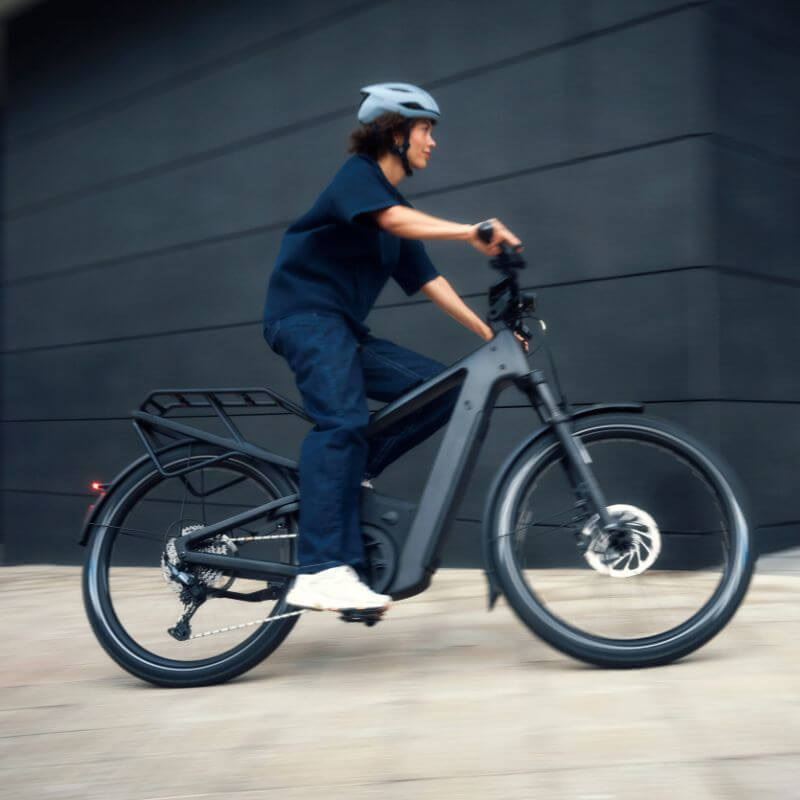








A fast commute changes what you ask from a helmet. On a conventional bike, you might tolerate a little extra wind noise or a less secure fit for a short ride. On an eBike, where average speeds are often higher and daily use is more consistent, the best ebike helmets for commuters need to feel stable, comfortable, and easy to live with every single day.
That usually means looking beyond basic bike helmet marketing. Commuters need real protection, yes, but they also need practical features that make sense for city riding in traffic, changing weather, and low light. A helmet that works well for a weekend fitness ride is not always the right choice for a rider heading to work year-round with a laptop, rain jacket, and a set arrival time.
What makes the best ebike helmets for commuters different?
The first difference is speed context. Many commuter eBikes let riders maintain higher average speeds with less effort, especially on open bike lanes, rolling terrain, and longer suburban routes. That does not mean you need a motorcycle helmet, and in many cases that would be the wrong solution for comfort, visibility, and ventilation. It does mean your helmet choice should reflect the real pace and repetition of eBike commuting.
A good commuter eBike helmet should sit securely without pressure points, remain comfortable for 30 to 60 minutes at a time, and provide enough coverage around the temples and back of the head. Coverage matters because urban riding brings more variables than many recreational routes - curbs, turning vehicles, wet pavement, streetcar tracks in some cities, and winter debris in shoulder seasons.
Visibility is the next major factor. Many commuter rides happen early in the morning, at dusk, or during dark winter afternoons. Integrated rear lights, reflective detailing, and lighter shell colors can make a meaningful difference. These features do not replace proper bike lighting, but they add another layer of visibility at rider height, which is useful in traffic.
Start with safety standards, not style

A helmet can look refined and still be the wrong product if it lacks the right certification and construction quality. For commuter use, start by confirming the helmet is certified for bicycle use in your market and built by a reputable manufacturer with consistent quality control.
Many riders should also pay attention to rotational impact protection systems such as Mips or similar technologies. No helmet can prevent every injury, and brands sometimes oversimplify what these systems do. Still, in real-world commuter riding where angled impacts are possible, this added layer is worth considering.
For faster urban eBike use, some commuters may want to look at helmets designed to NTA 8776. This Dutch standard was developed with speed pedelec riding in mind and generally calls for more coverage and higher impact test velocities than a standard bicycle helmet. Not every commuter needs an NTA-rated helmet, but for riders with longer routes, higher average speeds, or a desire for more substantial coverage, it can be a smart option.
The trade-off is usually weight, bulk, and ventilation. An NTA-style commuter helmet can feel more protective, especially in cold or variable weather, but some riders will find it warmer in summer. That is why there is no single best answer for everyone.
Fit matters more than almost any feature

A premium ebike helmet with strong safety credentials is still a poor choice if it does not fit your head shape. In daily retail experience, this is where many riders go wrong. They choose based on appearance, then end up with a helmet that shifts at speed, pinches at the forehead, or creates hot spots after twenty minutes.
A proper fit should feel snug and even around the head, not tight in isolated spots. The retention system should adjust easily, and the helmet should stay in place when you turn your head or look down. The chin strap should sit comfortably and securely, without twisting or rubbing.
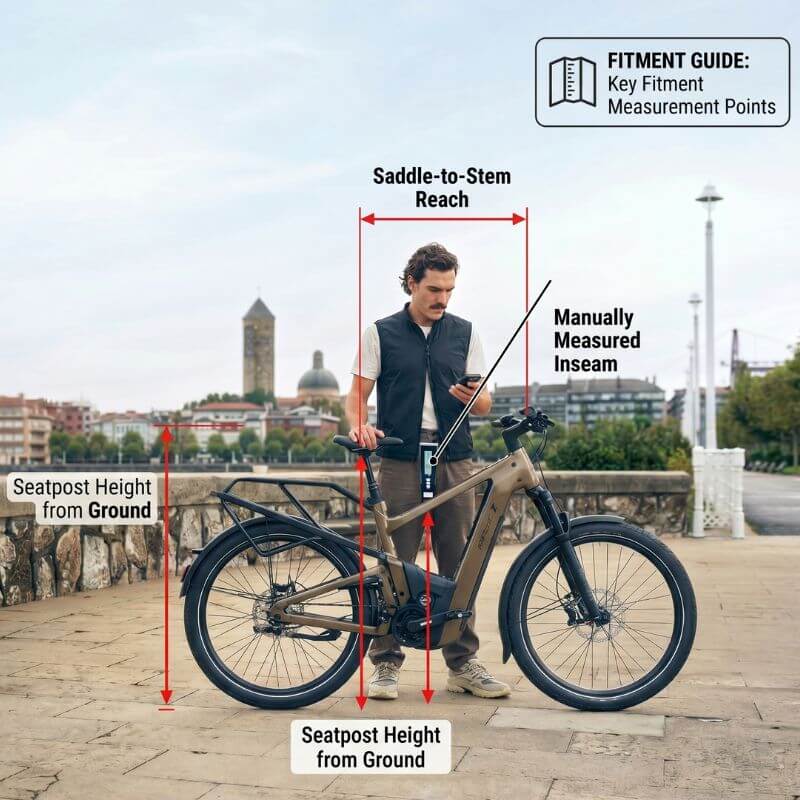
Head shape matters more than many people realize. Some helmets suit rounder heads, while others are better for more oval shapes. This is one reason an in-store fitting can be so valuable, especially for riders investing in a premium commuter setup. If you are buying remotely, measure carefully and buy from a specialist that can offer real guidance instead of generic size charts.
Features that actually help on a commute
The best commuter helmets tend to solve daily problems quietly. They are not overloaded with gimmicks. They simply work well in the conditions riders face most often.
Integrated lighting is one of the most useful features. A built-in rear light improves visibility in dim conditions and helps separate commuter-focused helmets from basic recreational models. It should be easy to charge and simple to operate with gloves.
A visor can also be genuinely helpful, especially in light rain, low sun, or cold weather. For riders who wear glasses, a short visor may reduce glare without blocking sightlines. Some urban helmets also include more covered shell designs that help keep vents from channeling cold air directly onto the scalp during shoulder-season rides.
Ventilation still matters, though. A heavily covered urban helmet may feel excellent in October and frustrating in July. Riders with longer summer commutes should pay close attention to airflow. If you ride year-round, it may be worth accepting slightly less ventilation for better all-season practicality, or choosing a helmet that balances both reasonably well.
Magnetic buckles are another feature many commuters appreciate once they have used them. They are easier to fasten one-handed and tend to be less fussy when you are in a hurry. The same goes for integrated eyewear ports, ponytail compatibility, and designs that sit well with winter caps or thin beanies.
Road helmet or urban helmet?
This is a common commuter question, and the answer depends on how and where you ride.
A road-style helmet usually offers better ventilation and lower weight. If your commute is longer, includes bike paths, or feels more like steady riding than stop-and-go traffic, a road helmet with good rear coverage can be a very strong choice. Many experienced eBike commuters prefer this style in warmer weather because it feels less restrictive.
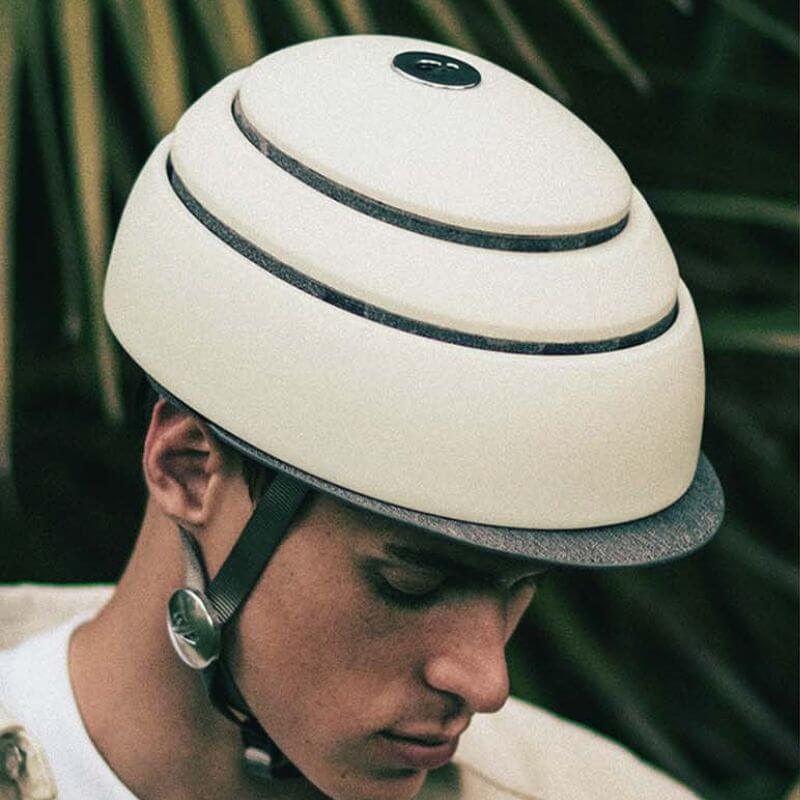
An urban helmet usually offers a cleaner profile, more shell coverage, and features geared toward city use, such as integrated lights and a weather-friendlier shape. For shorter city trips, daily locking and unlocking, and mixed conditions, this style often makes more sense.
For many commuters, the best answer sits in the middle: a modern commuter helmet that combines urban styling with better ventilation and stronger coverage than a basic road helmet. That category has improved significantly in recent years.
Weather, season, and Canadian riding conditions

If you commute in places with spring rain, hot summer afternoons, and cold fall mornings, your helmet needs to handle more than one season. Riders in Ottawa and similar climates often benefit from slightly more enclosed commuter helmets because they perform better in wind, drizzle, and cooler temperatures.
That said, no helmet excels equally in every month. A very ventilated helmet is excellent in peak summer but can feel drafty in April or November. A more enclosed helmet is comfortable for much of the year but may run warm in traffic on humid days. If your commute is short, warmth may matter more than maximum airflow. If your ride is long and physically demanding, ventilation becomes a bigger priority.
This is also where padding quality matters. Better moisture management, removable pads, and durable strap materials make a difference over months of repeat use. Commuter gear gets used hard. Small comfort details become big ownership issues.
How much should you spend?
For daily eBike commuting, this is not the place to buy the cheapest option on the wall. A better helmet usually gives you a more refined fit system, better comfort over time, improved coverage, and features that support real-world riding. In many cases, the difference between an entry helmet and a strong commuter model is not dramatic in price, but it is noticeable in day-to-day use.
That does not mean the most expensive helmet is automatically the best. Some premium models are aimed at performance road riders and may not offer the practical features commuters need most. Value here means choosing the helmet that matches your ride pattern, climate, and comfort needs - not simply buying the lightest or most expensive model available.
How to choose with confidence
If you are narrowing down options, focus on five things: certified safety standards, secure fit, adequate coverage, good visibility features, and comfort for your actual commute length. Everything else is secondary.
If you ride faster, farther, or year-round, lean toward more protective commuter-focused designs, potentially including NTA 8776 options. If your route is longer and warmer, a lighter helmet with strong rear coverage and good ventilation may be the better daily choice. Riders using cargo eBikes, compact eBikes, or bikes for school runs often prefer stable urban helmets with integrated lights because their riding is more stop-and-go and visibility-focused.
A good helmet should disappear once you are riding. You should not be thinking about pressure points, loose straps, or whether it feels secure over rough pavement. When it fits well and suits your route, it becomes part of a safer, more consistent commute.
If you are unsure, get expert help and try on more than one shape. The right commuter helmet is not just a safety purchase. It is part of building an eBike setup you will trust every morning, in good weather and bad.

About the Author
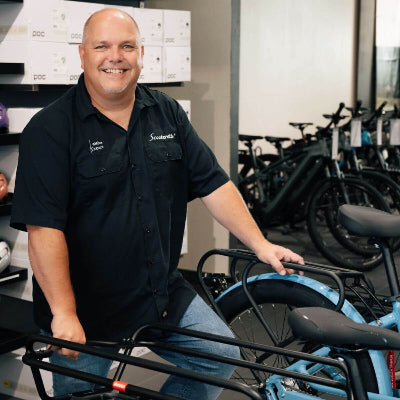
William Leishman
Founder & President, Scooteretti
William Leishman is the Founder and President of Scooteretti, one of Canada's leading electric bicycle retailers and a recognized authority in the eBike industry since 2010. As a member of the National Bicycle Dealers Association (NBDA) Advisory Board for eBike Safety, William plays a central role in shaping best practices and safety standards across North America, and is regularly featured on television, radio, print, and digital media as a trusted voice for consumers and industry professionals alike.
William's core mission is to educate Canadian consumers on choosing the right electric bicycle — one that truly fits their lifestyle, budget, and safety needs. As Canada's eBike market has exploded with new options, too many riders are purchasing the wrong bike, spending thousands across multiple purchases before finding a good fit. Scooteretti's "buy it once, buy it right" philosophy was built to solve exactly this problem, and it has helped thousands of satisfied customers make confident, informed decisions since 2010.
Beyond finding the perfect ride, William is on a personal mission to make eBike safety a national priority. He is a passionate advocate for making UL certification mandatory for every electric bicycle sold in Canada — a standard he believes every Canadian deserves, yet one that current legislation does not require. William is actively working to raise awareness among consumers and at all levels of government, because he firmly believes that no Canadian should have to risk their safety on an uncertified eBike. This isn't just a business position — it's a personal commitment he is dedicated to seeing become law.