










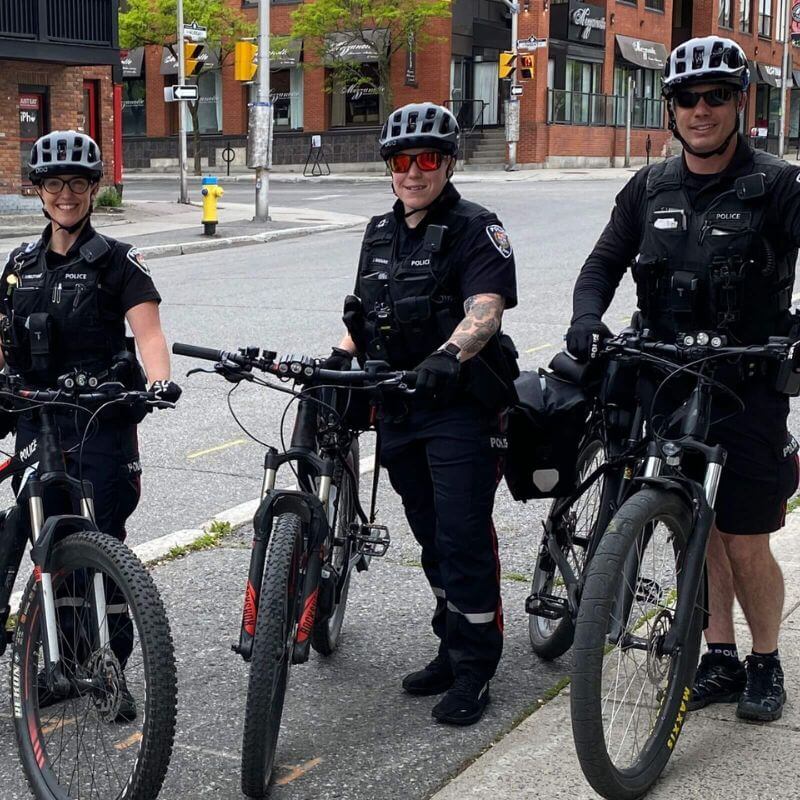
A patrol bike that feels great for 20 minutes can become a liability at hour three - when the battery is low, the radio mount has rattled loose, and the bike is parked outside a store with a crowd forming.
A police electric bike patrol setup is not a “nice eBike plus a few accessories.” It is a system: the right platform, the right drive unit and battery strategy, duty-ready contact points, predictable maintenance, and a mounting plan that does not compromise safety or handling. Get the system right and your team gets quieter approach, faster routing through congested areas, and longer on-foot effectiveness. Get it wrong and you get downtime, broken brackets, and bikes that officers quietly avoid.
Start with the mission, not the bike
Before model names and motor specs, define what “patrol” means for your unit. Downtown foot patrol support and waterfront pathway enforcement look similar on paper but behave very differently in the real world.
If your officers are doing frequent starts and stops, short sprints, and lots of curb transitions, you prioritize acceleration, braking, and mount stability. If your patrols are longer, with sustained riding and wide temperature swings, battery management and comfort become the main drivers. If the job includes crowd control presence, you may value a stable, upright stance and high-visibility lighting over outright speed.
This is also where policy belongs. Decide early whether bikes will be individually assigned or pooled, whether each bike has a dedicated charger, and what “end of shift” expectations are (wipe-down, battery top-up, quick inspection). The cleanest hardware setup still fails without a simple routine.
Choosing the right platform for a police electric bike patrol setup
Motor system: why mid-drive usually wins

For patrol work, mid drive motor systems are typically the most defensible choice. Because the motor delivers torque through the drivetrain, officers benefit from strong low speed climbing ability, smooth power delivery, and better weight distribution. That matters when an officer is riding slowly beside pedestrians, maneuvering through tight areas, and then accelerating quickly away from a stop.
Hub drive systems can still make sense in flatter areas or for lower intensity use, but they often feel less precise at very low speeds. They can also complicate tire service because the rear wheel contains the motor, wiring, and additional weight. For departments planning a program that will scale over time, mid drive systems with widely supported parts, service tools, and diagnostics typically reduce long term maintenance friction.
Just as important as motor type is electrical safety certification. For professional use, electric bikes should be fully certified to UL safety standards, and this requirement should be treated as non negotiable.
A common mistake in the market is assuming that if an electric bike is available for purchase, it must already meet rigorous safety standards. In reality, many electric bikes sold today are not fully certified for electrical and battery safety, particularly when it comes to the lithium battery system.
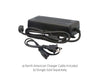
For organizations operating in public buildings, police stations, or municipal facilities, using electric bikes with a complete UL certified system is essential. Certification should apply to the entire electrical architecture, including:
• Motor
• Battery
• Charger
• Wiring and connectors
• Display and control electronics
Most importantly, the battery must be tested and certified as part of the full system.
If you consult with local fire departments or insurance underwriters, they will consistently confirm that using fully UL certified electric bikes is a critical safety requirement for fleet deployments. A battery related incident inside a building can quickly escalate, and potential damage to facilities, equipment, and infrastructure can easily reach millions of dollars, not to mention the risks to officers and the public.
For this reason, UL certification should be considered a deal breaker when selecting an electric bike platform for law enforcement or municipal use. Safety should never be compromised.
To learn more about why certification matters, you can read this detailed guide:
https://scooteretti.com/blogs/news/ul2849-for-ebike-safety
Battery strategy: range is a planning problem

Many fleets focus heavily on maximum advertised range. In practice, real patrol range is influenced far more by duty cycles such as stop and go riding, frequent acceleration, winter temperatures, and consistent high assist levels.
A more realistic approach is to treat battery capacity as a duty cycle buffer rather than a marketing number.
If officers typically return to the station for report time or administrative work, a single high capacity battery can often cover the full shift with intermittent charging. However, if bikes are deployed continuously or shared across multiple shifts, planning around swappable batteries and a managed charging area becomes far more effective.
The best battery strategy is the one that prevents officers from entering reduced power “limp home” modes late in a shift, ensuring consistent performance throughout the day.
Frame and geometry: stability beats sportiness
A patrol eBike should feel stable and predictable at very low speeds, not sporty or aggressive.
Officers often ride slowly beside pedestrians, maneuver through crowded areas, and occasionally ride one handed for signaling or radio checks. The bike should feel balanced and confidence inspiring for riders of different sizes.
Step through or mid step frames can be a practical advantage for patrol work, especially when officers wear duty belts, body armor, or outer carriers. These frame designs reduce awkward mounting movements, improve safety during frequent starts and stops, and allow officers to quickly place a foot on the ground when needed.
Tires and wheels: predictable grip, fewer flats
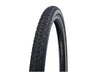
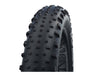
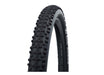
For most urban patrol work, a durable tire with strong puncture protection is worth its weight. Wider tires run at moderate pressures can reduce fatigue and improve control over rough pavement, brick, and trail connectors.
This is also where you decide how much you want to rely on tire sealant versus heavy-duty tubes. Sealant can reduce downtime, but it requires periodic renewal and a service routine that someone owns.
Brakes: prioritize modulation and heat management
Hydraulic disc brakes are the baseline standard for professional patrol bikes.
The most important considerations are rotor size and pad composition. Heavier riders, cargo loads, and frequent stop and go patrol riding benefit from larger rotors and pads designed for heat stability.
What matters most is consistent braking performance. Officers should experience predictable lever feel even after repeated hard stops, not just strong braking once when the system is cool.
Drivetrain: durability and low fuss

If your team rides in all weather, the drivetrain needs to tolerate grit and frequent low-speed torque. Belt drive and internally geared hubs can reduce maintenance and keep uniforms cleaner, but they also bring their own service considerations and part availability planning.
A quality chain drivetrain can work very well if you commit to regular cleaning and replacement intervals. The “best” drivetrain is the one your service plan can support without surprise shortages.
Duty-ready contact points: comfort is operational
For police and public safety patrols, lighting is not just about visibility. It is about clear communication with drivers, cyclists, and pedestrians in real traffic conditions.
A high quality front light with a properly shaped beam pattern allows officers to clearly see hazards such as debris, potholes, curbs, and obstacles without blinding oncoming riders or pedestrians on shared pathways. This controlled beam pattern is especially important in urban environments where patrols often move between roads, multi use paths, and pedestrian areas.
Rear lighting should be bright, consistent, and positioned where it cannot be blocked by equipment. Cargo racks, panniers, body armour, backpacks, and jackets can easily obscure poorly placed lights. Mounting the rear light higher on the bike or integrating it directly into the rack or fender helps maintain strong visibility from a distance and improves safety in traffic.
When adding auxiliary flashers or emergency presence lighting, the installation should be treated as part of the bike’s long term reliability plan. Many lighting accessories marketed as “easy to install” rely on temporary mounts or exposed wiring that can snag, loosen, or drain batteries during daily patrol use.
For professional fleets, hard mounted lighting systems with protected cable routing and standardized connectors provide the most reliable solution. This reduces failures, simplifies maintenance, and ensures that every patrol bike remains operational during demanding shifts.
Another important consideration is choosing electric bikes that provide auxiliary power outputs. Many professional eBike systems offer 12 volt accessory ports, allowing departments to power additional equipment such as emergency flashers, radios, GPS units, or sirens directly from the bike’s electrical system. Using integrated power outputs with proper water resistant connectors creates a clean, durable installation while eliminating the need for separate batteries or temporary wiring solutions.
For fleet and law enforcement applications, selecting an eBike platform that supports dedicated accessory power and professional grade wiring connections ensures safer installations, improved reliability, and greater flexibility when adding operational equipment.
Storage: carry what you need without ruining handling
Most mid-drive powered patrol bike failures are not motor failures - they are cargo and mounting failures. When weight is added high or far back, bikes become less stable at low speeds and more prone to front wheel lightness or wobble.
A rear rack is often the simplest base for duty storage, but it needs to be rated for the loads you will actually carry. A front rack or frame-mounted solution can improve balance, yet it must avoid interfering with steering, cables, and lights.
For many teams, the sweet spot is a lockable, weather-resistant rear storage solution sized for essentials, paired with a small, quickly accessible pouch for items that must be reached without rummaging. If you expect officers to carry heavier gear, a purpose-built cargo platform or longtail style eBike can be the right call - it keeps handling predictable under load and reduces ad hoc modifications.
Radio, MDT, and device mounting: keep the cockpit clean
The handlebar area fills up fast: radio mic, phone, GPS, lighting controls, and sometimes a small display. Overcrowding creates two problems: snag risk and distraction.
A clean mounting strategy uses a few strong attachment points rather than multiple small clamps fighting for space. It also keeps screens and controls within a quick glance, without forcing the rider’s head down for long.
Be realistic about vibration. Patrol routes include curbs, potholes, and gravel shortcuts. Mounts that are fine for recreational riding can fail in weeks under duty use. Standardizing mounts across the fleet reduces parts chaos and makes field swaps easier.
Security and parking: assume the bike will be left outside
A patrol bike will be parked in public view, sometimes for long stretches. Your setup should include an easy locking routine that officers actually follow.
Two-lock strategies can be effective, but only if they are practical. If the lock is heavy, awkward, or slow, compliance drops. Frame locks paired with a secondary chain can speed up stops, while still allowing the bike to be anchored to fixed infrastructure.
Also consider how the bike is identified. Clear asset labeling, tamper-resistant fasteners for high-value components, and a documented serial number and battery serial number process all reduce pain later.
Weather, washdown, and corrosion: plan for winter reality
If your jurisdiction includes winter salt and freeze-thaw cycles, your police electric bike patrol setup needs a corrosion mindset. Fenders become more than comfort - they protect drivetrains and officer uniforms. A full chain guard or partial protection can also reduce contamination.
Establish a simple washdown standard that avoids high-pressure spraying at bearings and electrical interfaces. A gentle rinse, soft brush, and correct eco friendly and safe cleaners and lubricants do more than aggressive blasting. The goal is not showroom shine. It is reduced wear and fewer seized bolts.
Service and lifecycle: where fleets are won
A patrol fleet should have a maintenance cadence that mirrors usage, not a generic “annual tune-up.” High-mileage duty cycles compress timelines.
Pads, rotors, tires, chains, and drivetrain parts should be treated as consumables with tracked replacement intervals. Battery health checks and firmware updates belong on the calendar too, especially when multiple bikes are expected to behave consistently.
The most cost-effective patrol program is usually the one with predictable downtime. That means keeping common spares on hand and having a clear intake process when something feels off. If officers are encouraged to report small issues early, you avoid the bigger failures that take a bike out of service.
For departments and organizations that want procurement plus long-term service support in one place, Scooteretti’s Bikes for Business team can help spec the bike platform, duty accessories, and a maintenance plan that fits real patrol usage (https://scooteretti.com).
Trade-offs to make intentionally
A patrol eBike can be optimized for agility, cargo capacity, or maximum range, but pushing hard on one usually affects the others.
More battery capacity adds weight. More cargo adds handling complexity. More suspension can add comfort but also increases maintenance and can reduce pedaling efficiency. The right answer depends on patrol style, terrain, and how disciplined the charging and service routines will be.
If your unit is new to eBikes, it is often smarter to choose a conservative, widely supported platform with fewer exotic parts and then refine the accessory package after real-world feedback. A pilot of a few bikes with standardized setups typically teaches more than a large first order with too many variations.
Closing thought: the goal is not to build the most impressive eBike on paper - it is to build a patrol tool officers trust enough to choose, shift after shift, even when the weather turns and the route gets rough.

About the Author
William Leishman
Founder & President, Scooteretti
William Leishman is the Founder and President of Scooteretti, one of Canada's leading electric bicycle retailers and a recognized authority in the eBike industry since 2010. As a member of the National Bicycle Dealers Association (NBDA) Advisory Board for eBike Safety, William plays a central role in shaping best practices and safety standards across North America, and is regularly featured on television, radio, print, and digital media as a trusted voice for consumers and industry professionals alike.
William's core mission is to educate Canadian consumers on choosing the right electric bicycle — one that truly fits their lifestyle, budget, and safety needs. As Canada's eBike market has exploded with new options, too many riders are purchasing the wrong bike, spending thousands across multiple purchases before finding a good fit. Scooteretti's "buy it once, buy it right" philosophy was built to solve exactly this problem, and it has helped thousands of satisfied customers make confident, informed decisions since 2010.
Beyond finding the perfect ride, William is on a personal mission to make eBike safety a national priority. He is a passionate advocate for making UL certification mandatory for every electric bicycle sold in Canada — a standard he believes every Canadian deserves, yet one that current legislation does not require. William is actively working to raise awareness among consumers and at all levels of government, because he firmly believes that no Canadian should have to risk their safety on an uncertified eBike. This isn't just a business position — it's a personal commitment he is dedicated to seeing become law.